Global Japanese Sushi Rolls
Highlighted under: Asian Kitchen
I absolutely love making sushi at home, and these Global Japanese Sushi Rolls are a fun way to explore different flavors and ingredients. Each roll is a unique blend of traditional Japanese elements combined with global twists that cater to all tastes. I've experimented with various fillings, and it's amazing how a simple sushi roll can be transformed with unexpected ingredients. This recipe is perfect for gatherings or just a fun family dinner, bringing everyone together around a delicious creation!
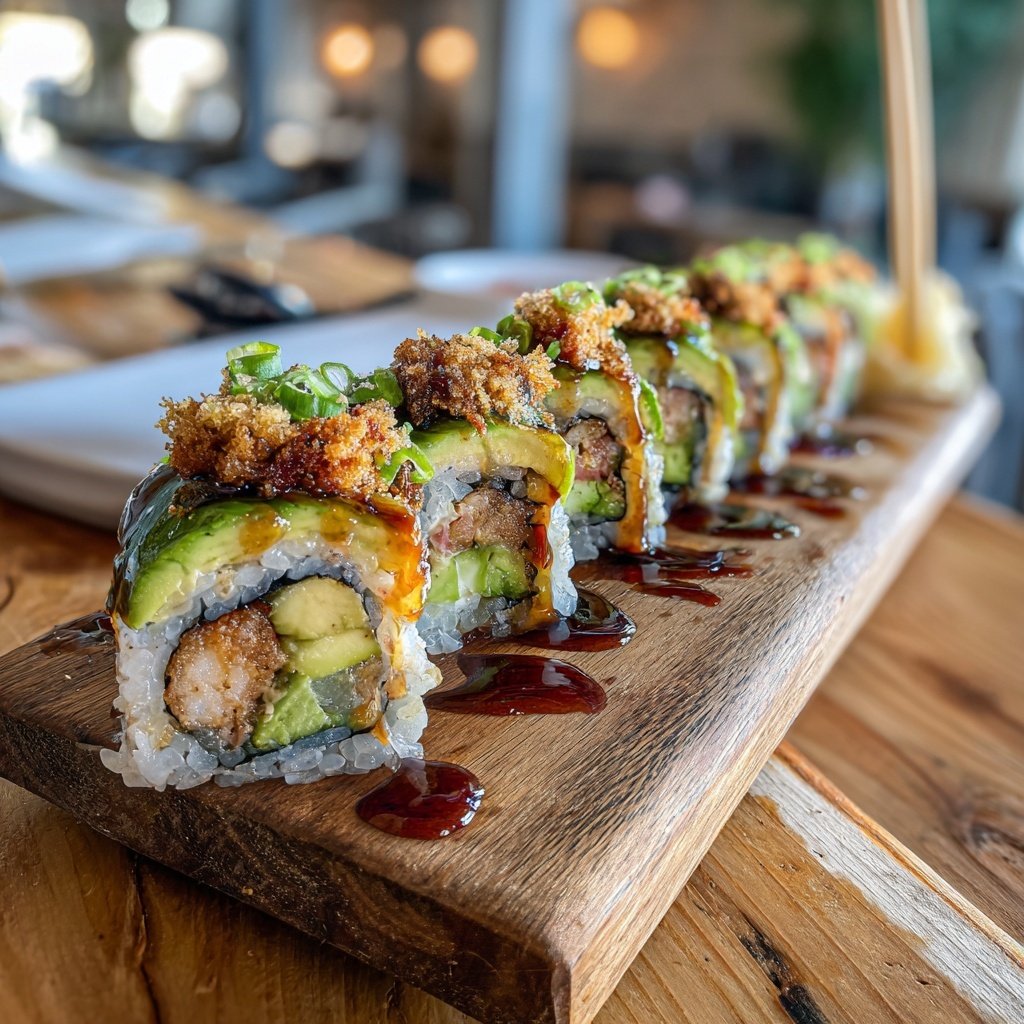
One of my favorite parts about making sushi is the creativity involved in rolling the ingredients. I've started experimenting with different fillings that go beyond the traditional tuna and avocado. Recently, I paired grilled shrimp with fresh basil and a hint of lime, and it was a revelation! The balance of flavors was delightful, and I loved how the freshness of herbs elevated the experience.
While preparing the sushi rice, I learned that rinsing it properly makes all the difference in achieving the perfect texture. It can be tempting to skip this step when you're in a hurry, but trust me, it ensures that the rice is sticky and holds together well, allowing for beautifully formed rolls!
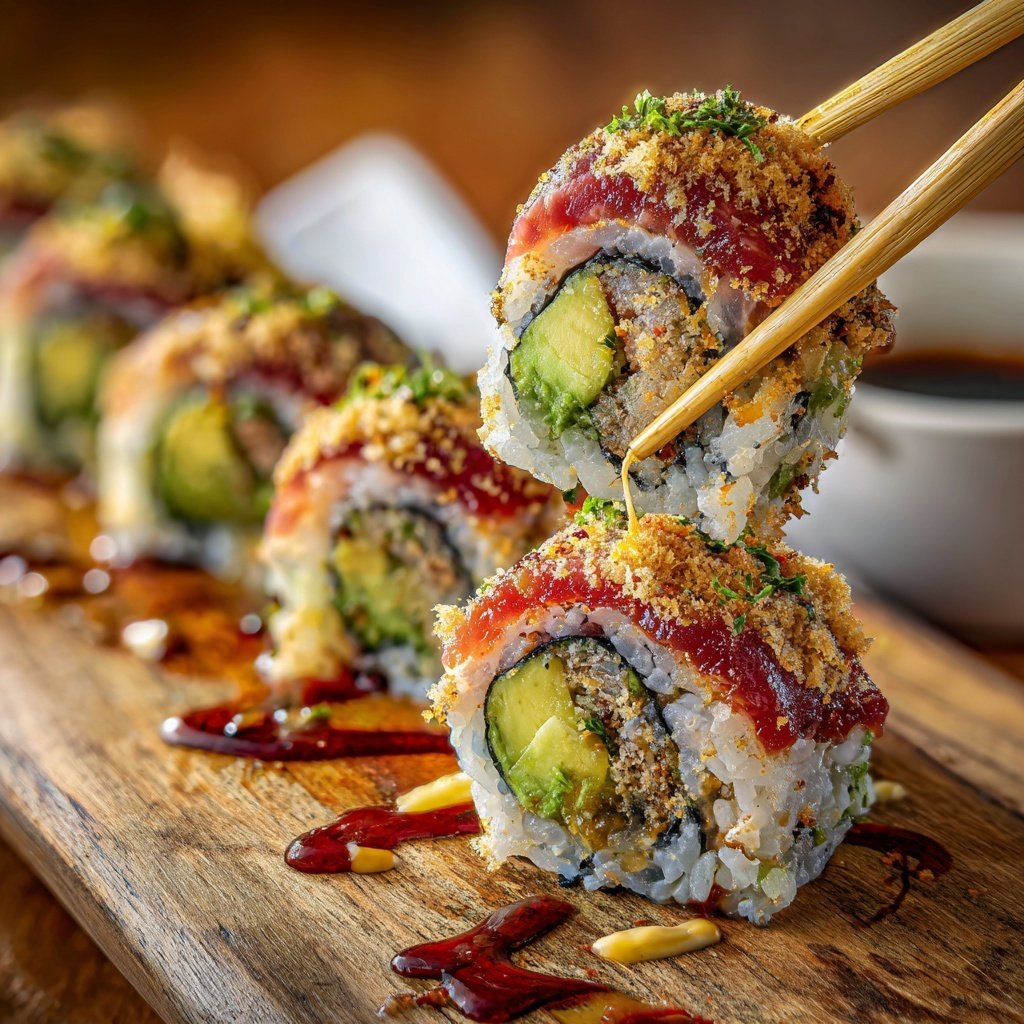
Why You'll Love This Recipe
- Versatile ingredients that suit all tastes
- The perfect blend of tradition and global flavors
- A fun and interactive meal for gatherings
Mastering Sushi Rice
The sushi rice is the cornerstone of any sushi dish, and getting it just right is crucial. When rinsing the rice under cold water, make sure you've removed enough starch so that the water runs clear—this step prevents the rice from becoming overly sticky. After cooking, allow the rice to rest for about 10 minutes before adding the vinegar mixture; this period allows the grains to firm up slightly, enhancing the final texture.
Mix the rice vinegar, sugar, and salt in a small bowl until dissolved before adding it to the warm rice. Gently fold the mixture into the rice using a cutting motion rather than stirring vigorously. This technique helps to keep the rice fluffy and prevents it from clumping together, ensuring a better mouthfeel when you take a bite.
Creative Fillings and Variations
Feel free to get creative with the fillings for your sushi rolls! While this recipe calls for avocado, cucumber, shrimp, and basil, you can easily swap these out based on your preferences. For a spicy kick, consider adding sliced jalapeños or sriracha-marinated tuna. If you're looking for a vegetarian option, mango or roasted red pepper can offer a sweet contrast to the rice.
When assembling, remember that less is often more. Overfilling can lead to messy rolls or difficulty in slicing. Aim for about 1/4 to 1/2 cup of fillings per roll to allow for easy rolling and clean cuts. Experiment with different combinations and colors to create visually stunning rolls that reflect global culinary influences.
Serving and Enjoying Your Rolls
When ready to serve, slice each roll into 6 to 8 pieces with a sharp knife. To prevent the blade from sticking, wet the knife with a bit of water between cuts. This technique helps to maintain clean edges and enhances the presentation of your rolls. A great serve-along would be pickled ginger; it complements sushi well and cleanses the palate between different rolls.
Storing leftover sushi is often a challenge. If you have any rolls left, wrap them tightly in plastic wrap and refrigerate them. Consume within 24 hours for the best experience, as the rice can dry out and lose its ideal texture. For a quick snack later, you can re-hydrate the rice slightly by lightly steaming it for a few minutes.
Ingredients
Sushi Rice
- 2 cups sushi rice
- 2 1/2 cups water
- 1/4 cup rice vinegar
- 2 tablespoons sugar
- 1 teaspoon salt
Fillings
- 1 avocado, sliced
- 1 cucumber, julienned
- 4 sheets nori (seaweed)
- 1 cup cooked shrimp, diced
- 1/2 cup fresh basil leaves
- Soy sauce for dipping
Instructions
Prepare the Sushi Rice
Rinse the sushi rice under cold water until the water runs clear. Combine the rinsed rice and water in a rice cooker and cook according to the manufacturer's instructions. Once cooked, let it cool slightly, then mix rice vinegar, sugar, and salt into it.
Assemble the Rolls
Place a sheet of nori on a bamboo mat, and wet your hands to prevent sticking. Spread a thin layer of sushi rice over the nori, leaving a small border at the top. Layer the fillings (avocado, cucumber, shrimp, and basil) in the center.
Roll the Sushi
Using the bamboo mat, carefully roll the nori away from you, pressing gently to form a tight roll. Seal the edge with a bit of water, and let it rest seam-side down for a few minutes.
Slice and Serve
Using a sharp knife, slice the roll into bite-sized pieces. Serve with soy sauce for dipping, and enjoy your homemade sushi!
Pro Tips
- Feel free to customize the fillings based on your preferences
- you can add pickled vegetables, crab meat, or even fruits for a unique flavor.
Choosing Quality Ingredients
Selecting high-quality sushi rice is essential for achieving the perfect texture. Look for short-grain rice specifically labeled for sushi; it has the ideal level of starchiness for stickiness. As for nori, choose dark green sheets that are crisp and free from discoloration, as stale nori will not roll properly or taste fresh.
Fresh ingredients make a notable difference in sushi rolls. When sourcing shrimp, opt for high-quality, sustainably harvested options if possible. For plant-based components, organic vegetables typically offer the best flavor and texture, enhancing the overall quality of your sushi. Remember, simple ingredients done well yield the best rolls.
Troubleshooting Sushi Rolls
If you find your sushi rolls falling apart during slicing, it may be due to not rolling tightly enough. Practice applying consistent pressure while rolling using the bamboo mat. Additionally, make sure to seal the edge of the nori properly with water to prevent unraveling. If your rolls are too watery or mushy, you may have used too much vinegar or not allowed the rice to cool properly.
Should the rice be too sticky when trying to assemble the rolls, consider adding less water during cooking next time or increasing the rinsing time. Overcooked sushi rice can become gummy and difficult to handle. Remember, achieving the right balance of moisture in your sushi rice is key for shaping and cutting clean rolls.
Questions About Recipes
→ Can I make sushi rice in advance?
Yes, you can prepare the sushi rice a few hours ahead of time. Just keep it covered with a damp cloth to prevent it from drying out.
→ What can I substitute for nori?
If you prefer not to use nori, you can make sushi rolls with rice paper or even lettuce leaves.
→ Can I use regular rice instead of sushi rice?
Sushi rice is best for its texture; however, if necessary, short-grain rice can be a substitute, but it won't hold together as well.
→ How do I store leftover sushi?
Store any leftover sushi rolls in an airtight container in the refrigerator; they are best eaten within a day.
Global Japanese Sushi Rolls
Created by: The Carolynscookbook Team
Recipe Type: Asian Kitchen
Skill Level: Intermediate
Final Quantity: 4 rolls
What You'll Need
Sushi Rice
- 2 cups sushi rice
- 2 1/2 cups water
- 1/4 cup rice vinegar
- 2 tablespoons sugar
- 1 teaspoon salt
Fillings
- 1 avocado, sliced
- 1 cucumber, julienned
- 4 sheets nori (seaweed)
- 1 cup cooked shrimp, diced
- 1/2 cup fresh basil leaves
- Soy sauce for dipping
How-To Steps
Rinse the sushi rice under cold water until the water runs clear. Combine the rinsed rice and water in a rice cooker and cook according to the manufacturer's instructions. Once cooked, let it cool slightly, then mix rice vinegar, sugar, and salt into it.
Place a sheet of nori on a bamboo mat, and wet your hands to prevent sticking. Spread a thin layer of sushi rice over the nori, leaving a small border at the top. Layer the fillings (avocado, cucumber, shrimp, and basil) in the center.
Using the bamboo mat, carefully roll the nori away from you, pressing gently to form a tight roll. Seal the edge with a bit of water, and let it rest seam-side down for a few minutes.
Using a sharp knife, slice the roll into bite-sized pieces. Serve with soy sauce for dipping, and enjoy your homemade sushi!
Extra Tips
- Feel free to customize the fillings based on your preferences
- you can add pickled vegetables, crab meat, or even fruits for a unique flavor.
Nutritional Breakdown (Per Serving)
- Calories: 450 kcal
- Total Fat: 10g
- Saturated Fat: 1g
- Cholesterol: 200mg
- Sodium: 500mg
- Total Carbohydrates: 65g
- Dietary Fiber: 3g
- Sugars: 5g
- Protein: 20g